
What Is the Best Time to Paint Your Home’s Exterior?
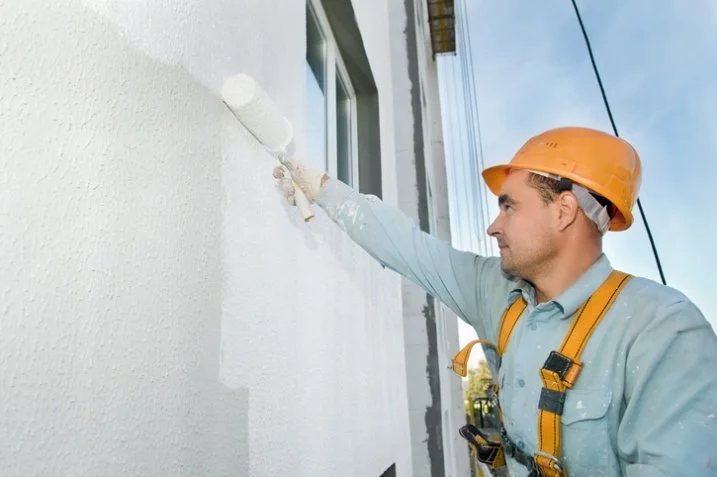
Discover the Best Time to Paint a House Exterior
Any successful exterior painting project starts with good timing. Weather affects how paint adheres, cures, and performs over time, especially in Florida’s coastal climate. Painting with Fin-S helps homeowners identify the best time to paint a house exterior in Palm Coast & Ormond Beach so they can achieve lasting results and strong curb appeal. Our team covers seasonal timing, exterior painting weather conditions, and practical planning tips that support a smooth project from start to finish. With the right schedule and preparation, your home’s exterior can look great and stay protected for years.
Why Timing Matters for Exterior Painting
An exterior painting project depends on more than selecting the right color. Weather, temperature, and moisture levels all affect how paint performs after applications. Homeowners who understand when to paint a house exterior can enjoy a smoother process, stronger paint adhesion, and results that stay attractive longer. Timing also helps painters work efficiently while delivering the clean, lasting finish homeowners expect. Consider these important reasons to plan before scheduling exterior painting:
Better Paint Adhesion: Paint bonds more effectively when surfaces are clean, dry, and within the recommended temperature range. Strong adhesion helps create an even finish that maintains its appearance and durability for years.
Longer-Lasting Results: Favorable weather conditions allow paint to cure properly after application. A fully cured coating provides dependable protection against sun exposure, moisture, and everyday wear.
More Consistent Coverage: Stable temperatures help paint spread evenly across siding, trim, and other exterior surfaces. Consistent coverage produces a polished appearance with smooth color and sheen.
Efficient Project Scheduling: Planning around seasonal weather patterns helps keep projects moving according to schedule. Homeowners can coordinate color selections, proper preparation, and project timelines with greater confidence.
Understanding Ideal Exterior Painting Weather Conditions
Knowing how exterior painting weather conditions affect a project can help homeowners make informed scheduling decisions. Temperature, humidity, surface moisture, and rainfall all influence how paint adheres, dries, and cures. In Palm Coast and Ormond Beach, seasonal weather patterns help determine the best painting windows throughout the year. Dry surfaces and steady temperatures support smooth application and even coverage, while proper curing conditions help create a durable finish. Careful planning around local weather conditions helps maintain your paint's appearance, protect exterior surfaces, and deliver long-lasting value for your home.
Beast Seasons for Exterior Painting
Selecting the right season can help create a smoother painting process and a longer-lasting finish. The ideal exterior painting season often features moderate temperatures, low humidity, and consistent weather patterns. Spring and fall frequently provide favorable conditions because surfaces dry effectively, and paint has time to cure. Summer can also be a productive season when projects are scheduled around daily weather forecasts and changing moisture levels. Mild winter days offer additional opportunities for exterior work when conditions remain dry and stable. Reviewing seasonal trends before scheduling helps support strong adhesion, even coverage, and lasting protection for your home’s exterior.
The Impact of Sunlight and Heat
Sunlight, heat, and humidity directly affect paint performance in exterior projects. Surface temperatures can differ from air temperatures throughout the day, which makes timing an important part of project planning. Homeowners should also consider painting in humid weather when scheduling, since moisture levels affect drying and curing. Understanding how environmental factors affect paint helps homeowners make informed decisions before work starts. We’ve compiled a list of the impacts sunlight and heat have on your exterior paint project:
Drying Speed and Application Quality: Direct sunlight can cause paint to dry faster on exterior surfaces. A controlled drying rate helps maintain smooth coverage and a uniform appearance across the home.
Surface Temperature Management: Exterior materials absorb heat throughout the day and may become much warmer than the surrounding air. Monitoring surface temperatures helps ensure paint is applied within the manufacturer's recommended ranges.
Humidity and Curing Performance: Higher humidity levels can slow the curing process after paint is applied. Balanced moisture conditions support proper film formation and long-term durability.
Project Scheduling Considerations: Daily weather patterns often influence the best time for painting activities. Planning work around temperature changes and sun exposure helps crews achieve consistent results.
Preparing Your Home Before Painting Season
Getting your home ready before painting season can help the project move smoothly from start to finish. A little planning gives homeowners time to review exterior surfaces, choose colors, and schedule work during favorable weather conditions. Siding, trim, and other painted areas benefit from an inspection to identify areas that may need attention before preparation begins. Trees, shrubs, and landscaping can also be trimmed to improve access around the property. Early preparation supports efficient project scheduling, enables thorough surface preparation, and creates the conditions for a clean, durable finish that looks great long after the project is complete.
Signs It Is Time to Repaint Your Exterior
Every exterior paint job ages differently based on weather exposure, surface materials, and maintenance. Recognizing the early signs of wear can help homeowners protect their investment and maintain curb appeal. When planning an exterior paint project, it helps to know what indicators suggest your home is ready for a fresh coat. Below are a few common signs that can help determine whether repairing should be part of your home maintenance plans:
Fading Color: Constant sun exposure can gradually reduce the richness and vibrancy of exterior paint colors. A fresh coat helps restore your home's appearance and provides renewed surface protection.
Peeling or Flaking Paint: Areas where paint starts lifting away from the surface often indicate that the protective coating has reached the end of its service life. Repainting helps create a clean, uniform finish and supports long-term durability.
Cracked Caulk Around Trim: Caulk helps seal gaps around windows, doors, and trim. Visible cracking or separation can signal that exterior maintenance and repainting may be worthwhile.
General Signs of Wear: Small blemishes, uneven color, and aged-looking surfaces can accumulate over time. A professional repaint can refresh your home’s appearance and help maintain its value and curb appeal.
Take Advantage of Our Exterior Painting Tips
The best time to paint a house's exterior depends on weather conditions, surface preparation, and your goals for your property. Careful planning helps create a finish that looks beautiful and performs well through Florida’s changing seasons. Painting with Fin-S provides clear communication, detailed preparation, and dependable workmanship for homeowners throughout Palm Coast and Ormond Beach. Request a free quote today and schedule a walkthrough to discuss the right timing for your project.
Exterior Painting Season FAQs
-
Most exterior paints perform best when applied within the temperature range recommended by the paint manufacturer.
-
Exterior surfaces should be fully dry before painting begins. The amount of time needed depends on factors such as temperature, humidity, sunlight exposure, and the material being painted.
-
Yes, wind can influence several aspects of an exterior painting project. Strong airflow may cause paint to dry unevenly and can carry dust, pollen, and debris onto freshly painted surfaces. Calm weather conditions often support cleaner applications and help painters maintain consistent coverage across the home's exterior.
-
Yes, coastal homes often face unique environmental conditions that can affect exterior surfaces over time. Salt air, elevated moisture levels, strong sunlight, and changing weather patterns may increase the importance of thorough preparation and routine maintenance.
-
Pressure washing helps remove dirt, dust, mildew, pollen, and other surface contaminants before preparation begins. A clean surface provides a better foundation for paint adhesion and helps create a smoother, more uniform finish.